
Spinal Deformity Correction is a specialized treatment approach for abnormal curvature, alignment, or structural changes of the spine. Conditions such as scoliosis, kyphosis, and certain complex spinal deformities can affect posture, movement, balance, and overall quality of life. Treatment depends on the type and severity of the deformity, symptoms, age, spinal flexibility, and overall health. Management may include observation, physiotherapy, pain management, bracing in selected cases, or corrective spine surgery when required. Advanced surgical techniques, including minimally invasive and reconstructive procedures, may be considered for appropriate patients. Detailed clinical assessment and imaging are essential for developing an individualized treatment plan.
Spinal Deformity Correction
Spinal Deformity Correction is a specialized area of spine care focused on diagnosing and treating abnormal curvature, alignment, or structural changes of the spine. A healthy spine has natural curves that help maintain balance, posture, and movement. When these curves become excessive or the spine develops an abnormal side-to-side curvature, it can affect spinal alignment and, in some cases, lead to pain, stiffness, reduced mobility, or neurological symptoms.
Spinal deformities may develop during childhood or adolescence, occur as a result of aging and degeneration, or develop following injury, previous spinal surgery, infection, or other underlying conditions. The appropriate treatment depends on the type and severity of the deformity and the patient's individual symptoms and health.
Common Types of Spinal Deformity
Some of the commonly recognized spinal deformities include scoliosis, kyphosis, and complex spinal alignment disorders.
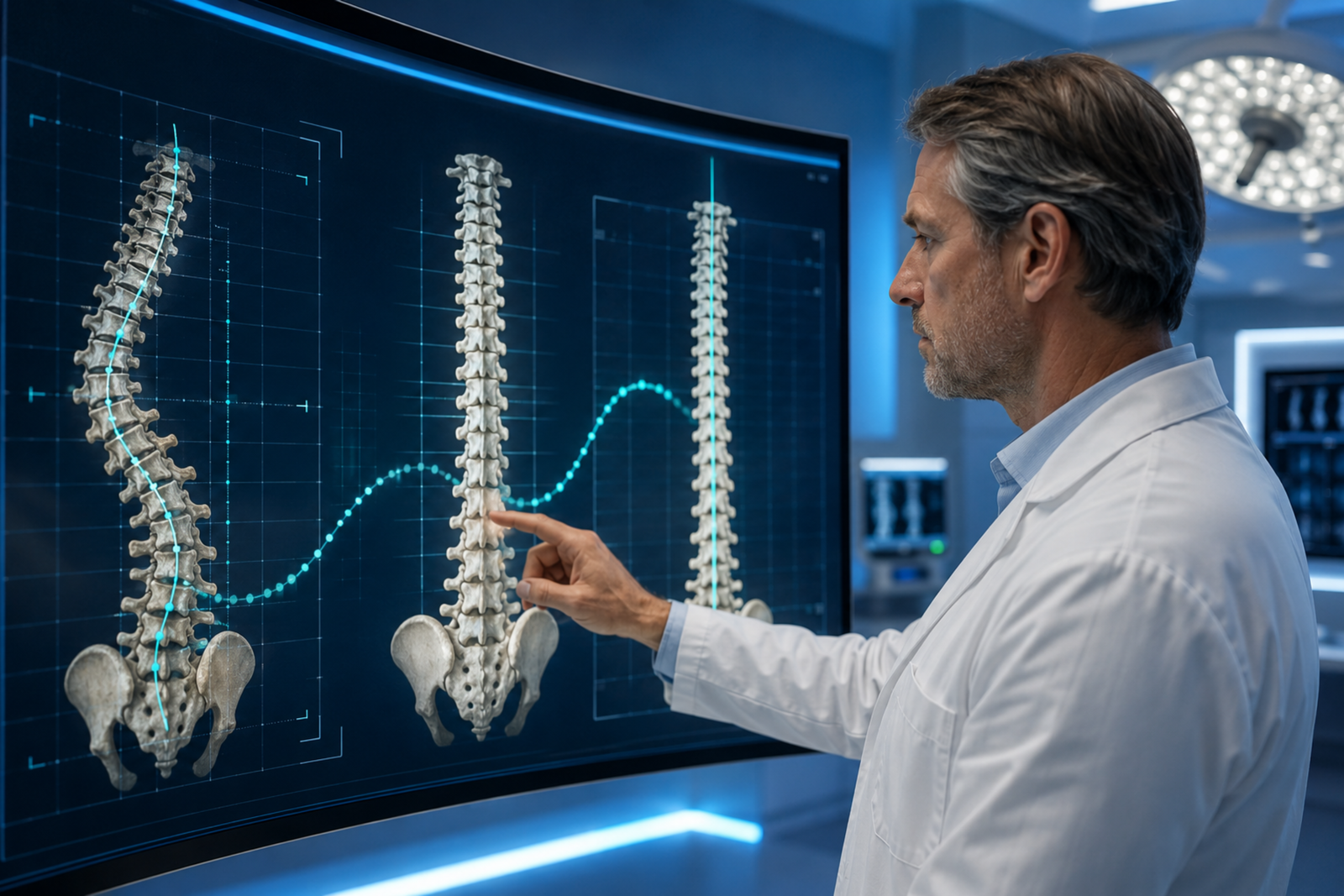
Scoliosis involves an abnormal sideways curvature of the spine, which may be accompanied by rotation of the vertebrae. It can develop during childhood or adolescence, but adult scoliosis can also occur due to degenerative changes.
Kyphosis refers to an excessive forward curvature of the spine, particularly in the upper or middle back. Mild changes may cause few symptoms, while more pronounced deformities can affect posture, mobility, and comfort.
Adult spinal deformity can involve a combination of abnormal curvature, loss of normal spinal alignment, degeneration, and imbalance. These changes may make standing upright or walking for long periods difficult.
Symptoms of Spinal Deformity
Symptoms vary according to the type and severity of the deformity. Some individuals may have a visible change in posture without significant pain, while others may experience persistent symptoms.
Common symptoms can include:
- Abnormal spinal curvature
- Uneven shoulders or hips
- Poor posture
- Back or neck pain
- Spinal stiffness
- Muscle fatigue
- Difficulty standing upright
- Reduced walking tolerance
- Numbness or tingling
- Weakness caused by nerve compression
In more advanced cases, spinal deformity may affect balance and daily activities. Any significant neurological symptoms require appropriate medical evaluation.
Diagnosis and Assessment
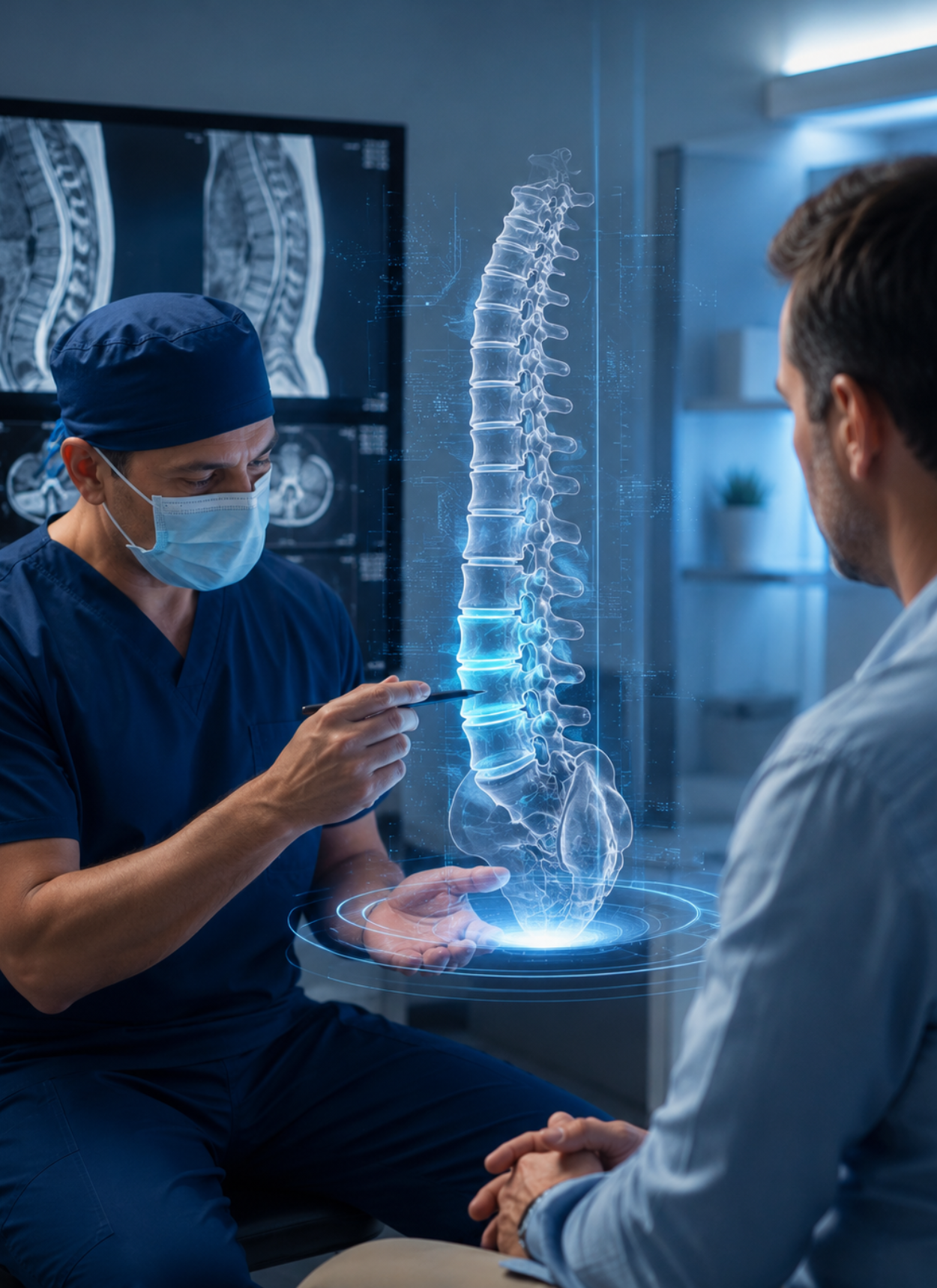
Accurate assessment is essential before deciding on treatment. A spine specialist reviews the patient's medical history, symptoms, physical condition, posture, and functional limitations.
Imaging plays an important role in evaluating spinal alignment. Standing X-rays may be used to assess the overall curvature and balance of the spine. MRI or CT scans may be recommended when additional information about the spinal cord, nerves, discs, bones, or other structures is required.
In complex cases, detailed imaging and measurements may be used to understand the deformity and develop an appropriate treatment strategy.
Non-Surgical Treatment
Not every spinal deformity requires surgery. Treatment is based on the severity of the deformity, symptoms, progression, age, and overall health.
For patients with mild or stable deformities, observation and regular follow-up may be appropriate. Physiotherapy can help improve core strength, flexibility, posture, and functional ability. Pain management may also be recommended when discomfort is present.
In selected patients, bracing may be considered, particularly during periods of growth for certain types of scoliosis. However, its suitability depends on the patient's age, type of deformity, and clinical circumstances.
The goal of non-surgical treatment is generally to manage symptoms, maintain mobility, and monitor the deformity over time.
When Is Surgery Considered?
Corrective spinal surgery may be considered when a deformity is severe or progressive, causes significant pain or functional limitations, produces neurological problems, or significantly affects spinal balance and quality of life.
The decision to recommend surgery is complex and depends on several factors. These may include the severity and location of the deformity, spinal flexibility, bone health, neurological status, previous surgeries, overall medical condition, and the patient's treatment goals.
Surgery is not automatically recommended simply because a spinal curvature is present. A detailed assessment is necessary to determine whether the potential benefits of correction outweigh the risks.
Spinal Deformity Correction Surgery
When surgery is appropriate, the primary goals are to improve spinal alignment, restore balance, stabilize the spine, and relieve pressure on the spinal nerves when required.
Depending on the deformity, surgical treatment may involve procedures such as spinal decompression, osteotomy, instrumentation, or spinal fusion. In complex cases, multiple techniques may be combined to achieve the desired correction.
Modern spine surgery uses advanced imaging, surgical planning, specialized implants, and monitoring technologies to improve precision and safety. Selected patients may also be candidates for minimally invasive or less invasive approaches, although these techniques are not appropriate for every type of deformity.
Recovery and Rehabilitation
Recovery following spinal deformity correction depends on the complexity of the procedure, the patient's overall health, bone quality, and the extent of correction required.
After surgery, patients are usually encouraged to begin appropriate movement under medical supervision. A structured rehabilitation program may help improve strength, flexibility, balance, and confidence with daily activities.
Patients may need to temporarily avoid heavy lifting, strenuous exercise, or certain movements while the spine heals. Regular follow-up appointments and imaging may be recommended to monitor recovery and spinal alignment.
Importance of Specialist Care
Spinal deformity correction requires careful planning because deformities can involve multiple spinal levels and may affect the overall balance of the body. An experienced spine specialist can assess the deformity, identify associated nerve or structural problems, and explain available treatment options.
A personalized treatment plan helps ensure that management is based on the patient's specific anatomy, symptoms, functional needs, and long-term goals.
Conclusion
Spinal Deformity Correction provides specialized treatment for patients with abnormal spinal curvature, alignment problems, and complex structural deformities. Depending on the condition, treatment may range from observation and physiotherapy to advanced corrective spine surgery.
With detailed evaluation, appropriate imaging, careful surgical planning, and structured rehabilitation, treatment aims to improve spinal alignment, reduce symptoms, preserve neurological function, and enhance overall mobility and quality of life.